resources
Whether you’re just starting your degree or preparing for honours and postgraduate pathways, this resource hub has been designed to help you navigate university life, make informed decisions, and get the most out of your psychology and counselling journey.
Year-By-Year Student Guides
first year
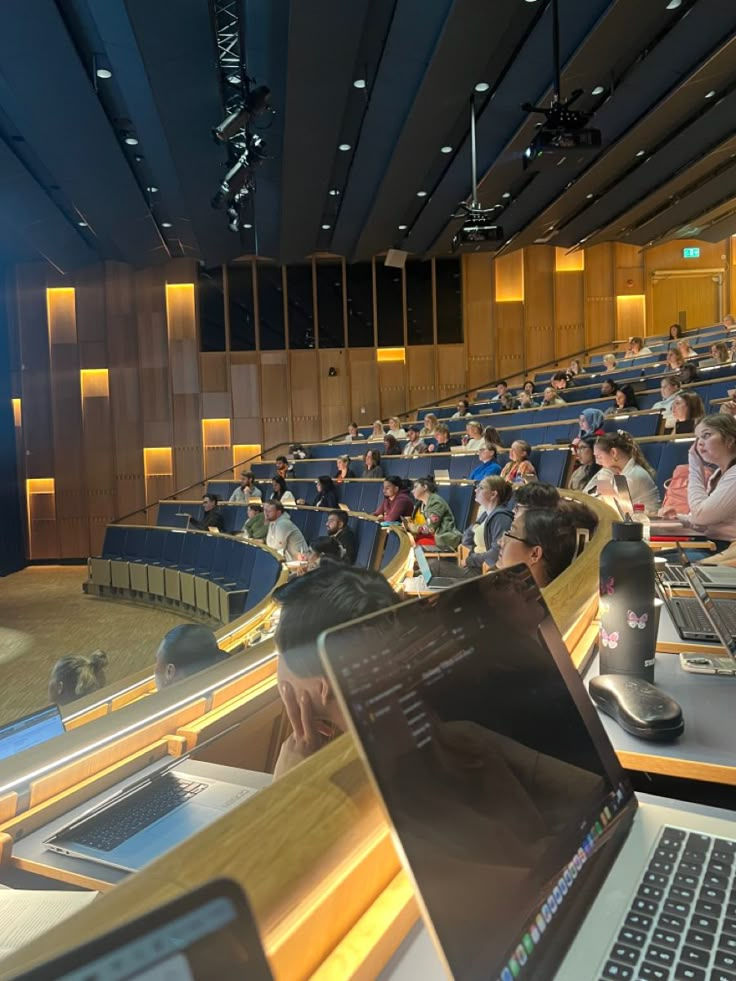
You no longer have the rigid structure of schooling life, and no one really teaches you how to live without it. So, we made a guide.
second year

Prerequisites are suddenly important and some classes actually expect you to keep your notes from year one. Luckily, we’ve managed that for you.
third year

At this point you’re probably fantasising about the end, but the expertise expected of you is only increasing. We help manage the expectations.
honours year

So, you’ve made it this far? Congrats, now you need to work harder. We’ll provide all the shortcuts we can, but unfortunately, the rest is on you.

Frequently Asked Questions
Degree Questions
How do I get into honours?
Students in Psych Honours and Psych Science can both apply for progression into the fourth year of study. While the honours year is built into Psych Honours, this does not guarantee progression. All students must meet Griffith academic standards. Admissions will open in the weeks following the end of a trimester. Toward the end of your degree, you will be notified of these openings and given the opportunity to apply. The only criteria for entry at this stage is GPA. You do not need experience or connections (even with the supervisors you will work with).
What GPA do I need?
For honours year you will need a minimum of a 5.0 GPA. But remember that this is an average. If you achieve below a 5.0 in any of your classes, this will not disqualify you.
Griffith also claims that a 6.0 will guarantee a spot. And although this is subject to availability, they’ve never had to turn a 6.0 away.
What is a provisional registration?
Provisional registration is the registration status granted by the Psychology Board of Australia after completing an accredited fourth-year psychology qualification (honours year). It allows graduates to undertake supervised postgraduate training or registrar program on the pathway to becoming a fully registered psychologist.
Counselling graduates do not apply for provisional psychologist registration, as counselling follows a different professional pathway.
What's the difference between psychology and counselling?
Although both professions support mental health and wellbeing, they have different training pathways and scopes of practice.
Psychologists are trained in psychological assessment, diagnosis, research, and evidence-based training and postgraduate study.
Counsellors focus on helping people navigate personal, emotional, and life challenges through therapeutic communication and counselling techniques. Registration requirements vary depending on the professional association and employer.
Analogy: psychologists are a bit like doctors and counsellors are a bit like nurses but for the mental health field… and if you add in psychiatrist everything gets a bit more complicated.
Study Questions
How much study should I do each week?
Griffith recommends around 10 hours per course per week. So, if you study fulltime (i.e. take 4 courses) then the average person will need to study 35-40 hours per week. This includes completing any course content but it can still be a lot. We’ve tried to streamline the process for you with our resources, but studying can be quite subjective.
If you plan to take on major commitments such as a fulltime job while also studying fulltime, and are unsure how everything will fit, feel free to contact us for support.
How do I prepare for exams?
Research suggests stunted repetition, frequent testing, and personalised understanding are the best techniques.
Stunted repetition: studying in small spurts, multiple times over extended periods. For example, studying 2-3 times a week for 3 weeks before an exam.
Frequent testing: at the end of every study session, using quizzes, flash cards and other tools to test your understanding.
Personalised understanding: the more closely you can make something relate to something you already understand, the easier it will be to learn. For example, Darwin developed the theory of evolution, which is often represented by:

In grade 2, my class had a pet monkey called Darwin. Now that I’ve made this connection, I can think to myself: Darwin, monkey, evolution = Darwin developed the theory of evolution.
What's the best way to take notes?
Evidence suggest you should do them backwards. The same evidence mentions that you have to do them forwards first.
So, in conclusion, if you can’t follow the course content and the resources on this page don’t help either, try contacting us and we’ll be here to support you.
Career Questions
What jobs can I get with a bachelor's degree?
Having a Bachelor’s degree opens up many doors, even if you don’t become a registered psychologist. Most common jobs for graduates:
- Human resources
- Recruitment
- Community services
- Disability support
- Mental health support
- Research assistance
- Miscellaneous government positions
- Youth services
- Marketing and consumer research
- Administrative and project roles
- Counsellor (only with appropriate experience)
Many employers value the communication, research, and problem-solving skills psychology and counselling graduates develop.
Do I need postgraduate study?
No… unless you want to become a registered psychologist.
Registered psychologists have a higher earning potential on average, and the study pathways are much longer.
Some counselling pathways also require a postgraduate. Again, the main difference will be in your earning potential.
But, some employers value experience over qualifications. Big corporations have been known to promote undergraduates well beyond their ‘earning potential.’
How competitive are psychology pathways?
Psychology is a competitive profession. particularly for postgraduate training programs.
Selection is usually based on academic performance, research experience, referee reports, and relevant work or volunteer experience. Maintaining strong grades while gaining practical experience throughout your degree can help strengthen future applications.
Remember that psychology graduates have many rewarding career options beyond becoming a registered psychologist.
GPCA Questions
How do I join?
How do I become a committee member?
This year the committee has seen a lot of growth. We invite all members of our community to volunteer their time to help us set up for events.
However, executive positions are usually filled at the end of the year AGM. If you believe you can bring something extra to the table, feel free to contact us.
Are events open to everyone?
Most GPCA events are open to all Griffith students, regardless of your year level or whether you’re studying psychology or counselling.
Some events may have limited capacity or be designed for particular student groups, but everyone is encouraged to get involved whenever possible.