FIRST YEARS
In my first year, I tried taking eight classes because I thought that was a normal fulltime workload. If you’re anything like me, or just need help finding things, this page will help.
Understanding Your Degree
Your first year is all about building the foundations of psychology. You’ll be introduced to how psychologists think, conduct research and understand human behaviour while also developing academic skills you’ll use throughout the rest of your degree.
It’s completely normal to feel like everyone else knows what they’re doing, but the truth is almost everyone is figuring things out together.
Navigation
What to expect
More Reading
University is much different than what most students will be used to. Teachers no longer guide you through a structured syllabus and offer classes everyday. You’ll have to learn most things by yourself. And that means reading the course page and understanding your classes.
Less Class Time
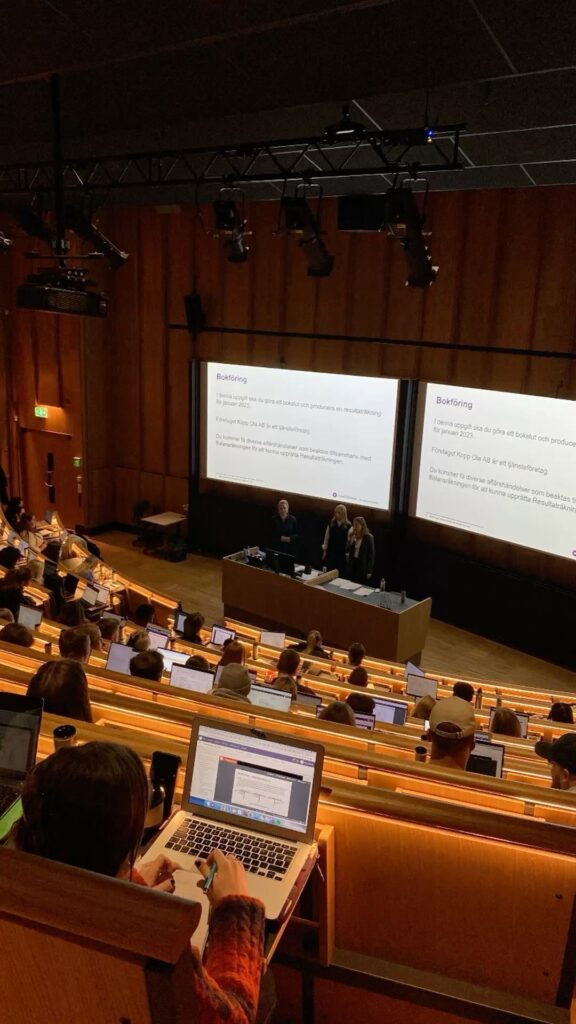
Like I said, classes will be much less frequent. You should be using them as a chance to test the knowledge you’ve already gained from other course content, such as readings and mini-lectures. They’re also a great opportunity to meet people and set up study groups.
New Structures
Expect essays, research reports, presentations, online quizzes and exams. Don’t expect drafts, flexibility in assignment guidelines (such as a 10% over the word limit rule), or help from your teachers outside of assigned time slots. There is less structure to uni life, but more rules.
Discomfort
Almost every psychology student experiences imposter syndrome during first year. For many people, this will be your first taste of how unstructured the real world can be, and it’ll probably lead to some bad decision making. If you feel lost, remember there are people who can help, like the GPCA.
COurses
In any single trimester you should have a maximum of four courses. In the first year, this will include three core courses and one flexible course. I’ve listed the core courses below but there are too many flexible modules across all three degrees to cover. And that’s if you decide to stick to the flexibles suggested in your ‘manage enrolment’ page (you don’t need to).
Trimester One
Introduction to Psychology 1
Your first psychology course introduces the major areas of psychology and how psychologists study human behaviour. It lays foundation for the rest of your degree.
What You'll Learn
- History
- Research methods
- Biological bases
- Neurological processes
- Interactions between brain and behaviour
- Consciousness
- Memory
- Sensation and perception
- Learning
- Thought and language
Useful Resources
GPCA Tip
Pay attention. Foundational knowledge is an understatement. Everything you learn in this course will come back up later.
Difficulty
Interest
Interpersonal Skills
A practical course focused on developing communication, self-awareness and interpersonal skills that are essential for psychology and counselling professionals.
What You'll Learn
- Receiving Information
- Models of Communication
- Non-Verbal Communication
- Listening Skills
- Sending Information
- Self-Disclosure
- Assertiveness
- Managing the Interaction
- Conflict Management
Useful Resources
GPCA Tip
Practice. The more you practice for your presentations the easier it will be to present.
Difficulty
Interest
Psychology in Professional Contexts
An introduction to psychology and counselling as professions, including ethical practice, career pathways and the skills needed to succeed at university.
What You'll Learn
- Self & Professional Development
- Psychological Literacy
- Career Focus & Planning
- Psychological Flexibility
- Interpersonal Capacity
- Professionalism
Useful Resources
GPCA Tip
Assessment items might seem silly but they still matter. Put effort into completing them.
Difficulty
Interest
Trimester Two
Introduction to Psychology 2
Build on the foundations from Introduction to Psychology 1 by exploring psychological science in greater depth and examining how research informs practice.
What You'll Learn
- Research Methods Recap & Continuation
- Measurement & Intelligence
- Development: Physical & Cognitive
- Development: Psychosocial
- Motivation & Emotion
- Personality
- Health, Stress & Coping
- Psychological Disorders
- Attitudes & Social Cognition
- Interpersonal Process
- Sex, Attraction & Love
Useful Resources
GPCA Tip
Stay on guard. You might think it’s best to focus on your stats class because it’s more difficult, but remember to take this course seriously.
Difficulty
Interest
Research Methods and Statistics
Learn how psychologists design, conduct and interpret research using statistical techniques and scientific methods.
What You'll Learn
- Describing Behaviour with Numbers and Pictures
- The Normal and Standard Normal Distribution
- Lab Report Writing
- Correlation
- Probability and Sampling
- Confidence Intervals
- Hypotheses as Testable
- Repeated Measures t-tests
- Independent Measures t-tests
Useful Resources
GPCA Tip
Don’t forget to study the content. You might find yourself caught up in the SPSS of everything. But the exams will go beyond that.
Difficulty
Interest
Counselling Skills
Develop practical counselling techniques through demonstrations, role plays and supervised practice.
What You'll Learn
- I tried to find this but it has been made unavailable to me…
- If you can find it please reach out:
Useful Resources
GPCA Tip
Don’t take your assignments lightly. It might seem uncomfortable to ask this of someone, but taking multiple takes for your counselling practice will help.
Difficulty
Interest
Attend Lectures
Even if recordings are available, attending in person helps you stay engaged and gives opportunities to ask questions.
Keep Up-to-Date
Psychology builds on previous topics. Missing one or two weeks can quickly become difficult to catch up.
Start Assignments Early
Research reports and essays often take much longer than expected.
Form Study Groups
Talking through difficult concepts is often one of the best ways to learn.
Learn APA 7
Correct referencing becomes part of almost every psychology assignment.
Use Consultation Hours
Your tutors genuinely want to help. And this is a great way to catch up on content.
Making friends
Join Clubs

The GPCA is a good club for those looking to meet friends and create community in psychology or counselling. But there are other clubs too. Clubs for Swifties, pool players, fishing, country enthusiasts, and much more. The best way to find friends is to join people who love doing the same things you do
Use Class as an Excuse
Psychology and counselling students are often quite awkward. No offence. Say hello to all the people you can, and you’ll probably find a nice friendship.
Talk to Your Teachers
The more you make your teachers like you the better. Not just because they grade your papers, but because they can be a reference for future job applications. Trust me, it comes in handy.
FAQs
What should I bring to class?
- A laptop, IPad or other device that you can use to follow along
- Something to take notes with, which might be the same device
- A water bottle
- Anything else you’d usually take with you
What if I miss a lecture?
They’re recorded. Many people purposefully skip lectures so they can watch them in double speed later. But remember it’s always good to make connections with your lecturers.
Should I study by myself or with others?
Both. Most of your study should be completed alone to develop greater understanding of basic topics, but studying in groups is a great way to broaden your knowledge further. Group study can often make a 10% difference in grades.
How do I balance uni, work, and life?
Use a calendar or planner. Break your trimester into workable chunks such as textbook chapters and mini-lectures and then set weekly goals. Not daily or hourly.
Once you know how to study, disregard thoughts of uni while you’re working to help create a sense of confidence in the separate parts of your life.
What if I change my mind about psychology?
That’s okay. University is about discovery, and if you discover something outside what you’re doing to better suit yourself then perhaps it’s best to follow your instincts.
But remember that many jobs don’t need specific qualifications or degrees.
If you’re just confused, remember that everyone is at this time in their life. And it might help you to look through the career pathwyas before making a big decision.
Do I need to be good at maths?
Not necessarily. Psychology uses statistics but many of the calculations are done for you, and all stats exams will let you carry a calculator in with you.
A lot of the time, your tutors will explain things in math speak, which will make it more confusing than it is (provided you don’t already understand). Using AI to summarise course content can be very useful in these cases.
Can I become a registered psychologist after this degree?
No. Becoming a registered psychologist in Australia requires a fourth year (usually honours), and a postgraduate. And to follow that up, you’ll also need supervised training in a related practice.
If you want to help people with less severe mental health issues and do it with a bachelor’s degree, consider counselling.
What's something I wish I was told before my first year?
Weekly study goals is a good one, but the best advice would have to be: try to make connections. They don’t need to be friends, but the more people you feel you can ask questions, the better. Get everyone’s contact information. Write your email on the whiteboard before class if that’s what it takes.
Psychology can sometimes feel isolating. Make it less so
Looking ahead
The first few weeks can feel overwhelming, but by the end of first year you’ll be surprised how much you’ve learned, not just about psychology, but about studying at university.
Every psychologist, researcher and postgraduate student once sat exactly where you are now.
Keep asking questions, stay curious and remember that progress is far more important than perfection.